23/Aug/2021
Fotos: @scotthill / Aty Guasu
More than 5,000 indigenous people from all regions of Brazil are gathered in Brasilia to claim their rights
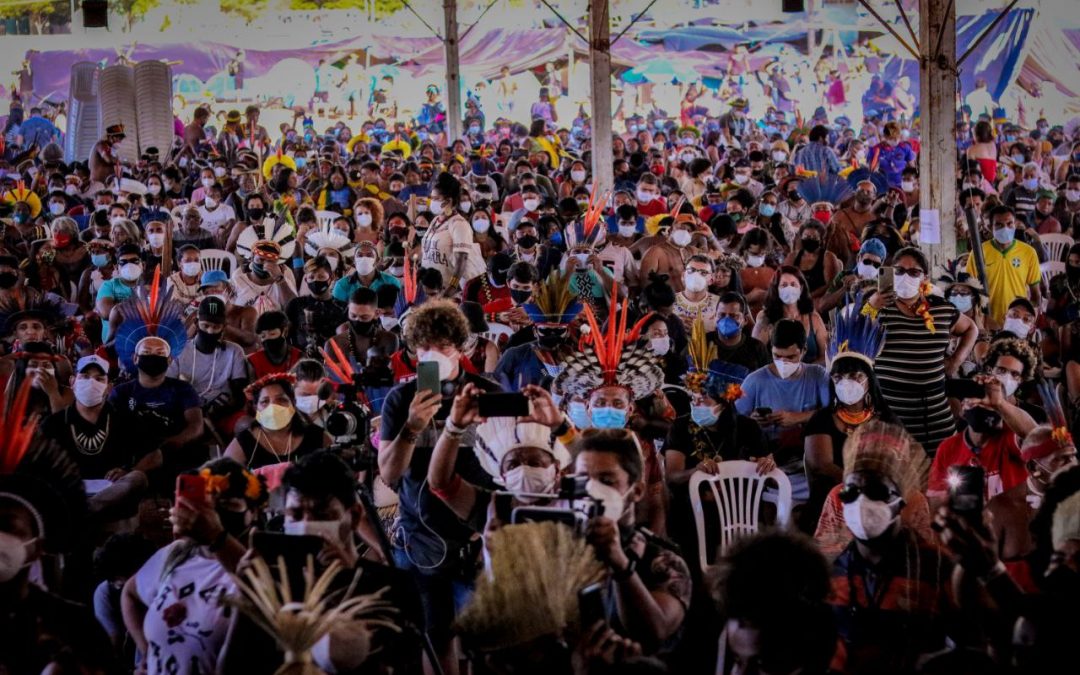
The second day of the Struggle for Life Camp began with the presentation of the indigenous delegations gathered in the camp. At this moment, more than 4,000 indigenous people, from 117 peoples from all regions of Brazil, are present at the Esplanada dos Ministérios, in Brasília. This morning, in a presentation of indigenous cultures, the delegations had the opportunity to exhibit their traditional dances and songs, reinforcing the cultural ancestry shared between the peoples.
In the afternoon, the coordination of Apib and its regional organizations had a moment to present their considerations on the challenges facing Indigenous Peoples across the country. The regional organizations that make up Apib are: Articulation of Indigenous Peoples of the Northeast, Minas Gerais and Espírito Santo (APOINME), Terena People’s Council, Articulation of Indigenous Peoples of the Southeast (ARPINSUDESTE), Articulation of Indigenous Peoples of the South (ARPINSUL), Great Assembly of Guarani Kaiowá Peoples (Aty Guasu), Coordination of Indigenous Organizations of the Brazilian Amazon (COIAB) and Guarani Yvyrupa Commission.
“It is also important to highlight that our camp has developed a series of health protocols, dedicated to reinforcing existing WHO norms, as all indigenous people who are in the camp must be vaccinated, obligatorily, in order to be able to accompany our camp. We feel pushed to be present in Brasilia, in this very desolate scenario that is being promoted both by the National Congress, but mainly by the Federal Government regarding the rights of indigenous peoples. From the 22nd to the 28th of August, in Brasília, we will fight for the rights of indigenous peoples, mainly guaranteeing the well-being of our territories.” Dinamam Tuxá, Coordinator of the Articulation of Indigenous Peoples of Brazil.
Indigenous Peoples of Brazil Receive International Support
The camp was visited by a Progressive International delegation, an articulation that brings together human rights organizations, political parties, unions and other institutions from the progressive field from several countries. The delegation was welcomed by representatives of the Munduruku and Kayapó peoples, who took advantage of the meeting to denounce the impacts they are facing due to infrastructure projects close to their lands.
Apib’s representatives delivered copies of the International Dossier released last week to serve as an instrument of denunciation for the international community, the document brings a series of complaints about the threats and violence perpetrated by the Government of Bolsonaro against Indigenous Peoples.
Also today, a delegation from Apib was invited to visit the Norwegian Embassy, where they were able to deliver the International Dossier and demand support for their struggle from Ambassador Nils Martin Gunneng, and from the program officer, Mr. Kristian Bengston.
United Nations reaffirms the rights of Indigenous Peoples in Brazil
Francisco Cali Tzay, UN Special Rapporteur on the rights of indigenous peoples today called on the Supreme Court (STF) to guarantee the rights of indigenous peoples to their lands and territories, and to reject a legal argument promoted by commercial agents with the aim of explore natural resources in traditional indigenous lands, referring to the Milestone thesis (tese do Marco Temporal).
“Accepting a timeframe doctrine would result in a significant denial of justice for many indigenous peoples who seek recognition of their traditional land rights. According to the Constitution, indigenous peoples have the right to permanent possession of the lands they traditionally occupy”, said Francisco. This statement reinforces the relevance and need to defend the right of Indigenous Peoples to their territories.
Plenary of the Five Powers
At 3 pm, the Plenary of the Five Powers will take place, which will be held to promote an analysis of the situation on the legislative, executive, judiciary, popular and spiritual powers. In the evening, the Indigenous Peoples will be gathered to celebrate a Pajelança: a religious ritual to reinforce the alliance of the Peoples. After the ceremony, Mídia Índia (@midiaindia) will exhibit the video screening: “Memory and Fight”.
“This plenary talks about the five powers and is very important within the Struggle for Life camp, giving it a great meaning because it passes through the discussion of the legislature, the judiciary and the executive, and it also reminds us of the fourth power, which are the masses, which is the people, the Brazilian nation as a whole, not only the indigenous peoples, but the Brazilian people, which is the fourth power. And then we talk of the fifth power, being the spiritual one. The divinities rules our lives, rules the communities, gives strength in times of difficulty and in the face of invasion, miners, loggers, against bills and ordinances, against all human ailments and spiritual, also against the pandemic and the diseases” Marcos Sabaru, Assessor policy of Apib.
20/Aug/2021
Mobilization calls for indigenous people already vaccinated and counts with health protocols against Covid-19, in Brasilia
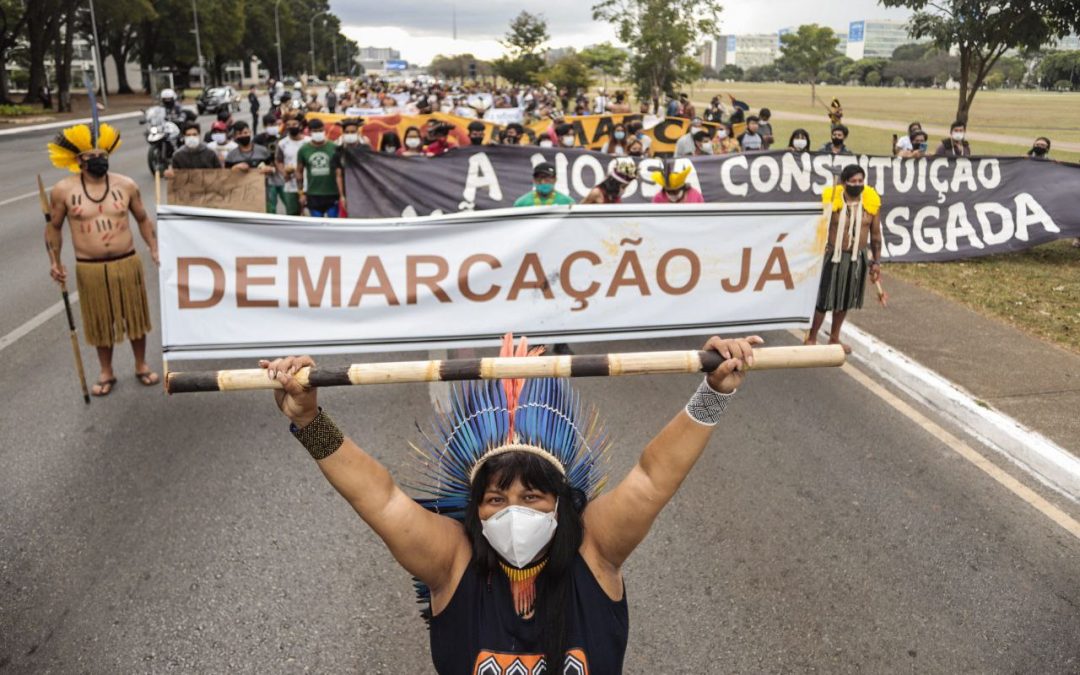
The Articulation of Indigenous Peoples of Brazil (Apib), associated with all its regional organizations, inaugurates this Sunday (22) the national mobilization ‘Struggle for Life’, in Brasília. The activities, which will last until the 28th of August, intend to defend the indigenous peoples rights and to promote activities against the anti-indigenous agenda that advances into the National Congress and the Federal Government. The mobilization will also focus on the trial about the Milestone Thesis (Marco Temporal) by the Brazilian Supreme Court (STF), which is expected to be resumed on August 25th and may define the future for indigenous land demarcation.
The indigenous movement constantly denounces the increase of violence against indigenous peoples inside and outside their traditional territories. Apib and all its regional grassroot organizations disseminate this information to the press, on social media and formalized complaints in national and international legal instances. On the date that marks the International Day of Indigenous Peoples, August 9, Apib presented an unprecedented statement before the International Criminal Court (ICC) to denounce Bolsonaro’s government on the crimes of Genocide and Ecocide.
“We cannot remain silent while facing this violent scenario. It is not only Covid19 virus that is killing our people and that is why we decided once again to go to Brasília to continue fighting for the lives of indigenous peoples, for the Mother Earth and for the future of humanity”, emphasizes Sonia Guajajara, one of Apib’s executive coordinators.
The mobilisation previews seven days of activities in the federal capital, with an intense schedule of plenary sessions, political audiences within Federal Government bodies and embassies, marches and public demonstrations. During this period, indigenous people from all regions of Brazil will be camped at Praça da Cidadania.
The camp will have an intense program of political discussions and cultural events. All activities have a collaborative communication team formed mostly by indigenous people. “It is necessary to give visibility and amplify the voices of the indigenous movement as a whole. In this scenario of many threats, communication plays a key role and we will be joining forces in this camp”, emphasizes Erisvan Guajajara, Media India coordinator.
Health care
The Struggle for Life Camp has developed sanitary protocols dedicated to reinforcing all existing and recommended norms for combating Covid19. The camp’s health team includes indigenous professionals and count on the support of the Brazilian Association of Collective Health (Abrasco), the Oswaldo Cruz Foundation, the Indigenous Health Clinic of the University of Brasília (Asi/UNB) and the University Hospital of Brasília (HUB).
“The health recommendations begin from the moment the delegations organize themselves to leave their territories. Apib proposes the invitation of people who already have their full vaccination coverage,” explains Dinamam Tuxá, one of Apib’s executive coordinators.
The first day of the camp (22) is dedicated to the arrival of the delegations and to carry out mass testing for Covid-19 as one of the sanitary protocols for the mobilization.
On Monday (23) the activities are dedicated to political updates with leaders across the country. ‘The Five Powers’ is the name of the plenary that will be held to promote an analysis of the current situation on the legislative, executive, judiciary, popular and spiritual powers. On this day, rituals and audiovisual exhibitions are also planned.
Future
The most central agenda of the Struggle for Life mobilisation is related to the trial by the Brazilian Supreme Federal Court (STF), which is expected to be the most important process of the century for the lives of indigenous peoples. The Court will analyze the repossession action filed by the government of Santa Catarina against the Xokleng people, referring to the Ibirama-Laklãnõ Indigenous Land (TI), where the Guarani and Kaingang peoples also live.
Under the status of “general repercussion”, the final decision made by the trial will serve as a guideline for the federal government and all instances of Brazilian justice system, as well as a reference to all processes, administrative procedures and legislative projects regarding the indigenous land demarcation procedures.
“Indigenous peoples experience a deeply adverse political context under Bolsonaro’s administration, the first president elected with a declared position against the indigenous peoples. As soon as he started his government, he signed several acts that hurt the Constitution and International Treaties that protect indigenous communities and their territories. It is important to note that, in this context of pandemic, it is essential to reflect on the relevant role the traditional territories play to keep humanity’s equilibrium. So, the indigenous lands, besides protecting the indigenous peoples’s ways of life, are a national and public heritage, which contributes to keep the climatic balance”, emphasizes Eloy Terena, Apib’s juridic coordinator in his article on the Supreme Court judgment (read the full text here)
In this sense, the schedule for the Struggle for Life camp on August 24th and 25th is dedicated to discussions, acts and manifestations related to the trial, in support of the Supreme Court justices and against the Milestone Thesis (Marco Temporal).
The days following the trial will give space to debates related to the 2022 elections and the strengthening of the support networks for the struggles of indigenous peoples. The departure of all delegations is scheduled for the 28th of August.
Check out some schedule details here
19/Aug/2021
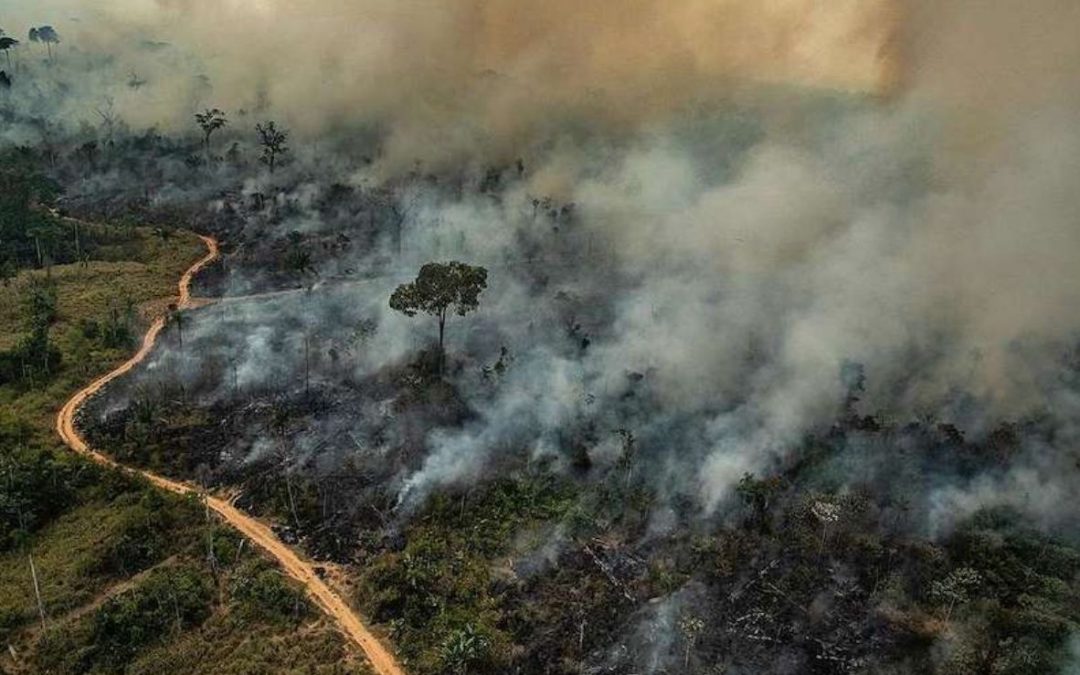
Bills being processed in the Brazilian Congress, with irreversible consequences to the Amazon forest and indigenous peoples, could bring serious risks to the operations of financial institutions. An alert from the Coalition and other partners adds to the agenda of denunciations by indigenous peoples.
Brasília, August 19, 2021 – In a letter sent today to 80 international and Brazilian financial institutions, Forest & Finance Coalition, together with the Association of Indigenous People of Brazil (APIB), the Climate Observatory, and 45 allied organizations, warn about the risks of investments in Brazil in light of a suite of legislative changes being currently pushed in the Brazilian Congress. If approved, these bills will result in irreversible consequences for the protection of critical ecosystems such as the Amazon rainforest and the guarantee of the rights of Indigenous peoples, posing serious risks for many financial institutions operating in Brazil.
The coalition’s alert aims to pressure these financial institutions to publicly and forcefully position themselves against this regressive agenda, spur change within the industry and warn companies that operate in Brazil and rely on their financing.
“The Forests and Finance Coalition has been pressuring financial institutions for some time to take action in relation to their investments that threaten forests and the rights of Indigenous peoples in Brazil. These measures include clear criteria for excluding companies that commit these violations from its portfolio and the adoption of policies against deforestation and for the protection of the rights of Indigenous peoples,” says Merel Van der Merk, coordinator of the Coalition. “But faced with a threat of this magnitude to the legal protection of the environment, we need concrete action now, a very clear position that these institutions will not be accomplices in further destruction, deforestation and degradation of Brazilian ecosystems and the violation of rights of indigenous peoples,” she highlighted.
Among the legislative threats described in the letter are Bill 2633/2020, also known as the Land Grabbing Bill (PL da Grilagem); Bill 3729/2004, which loosens the rules for environmental licensing in Brazil – both approved by a great majority in the Chamber of Deputies, awaiting consideration in the Senate; Bill 191/2020 which frees up mining and other extractive activities within Indigenous lands and removes the veto power of these communities; Legislative Decree 177/2021, which allows Brazil’s withdrawal from Convention 169 of the ILO; and Bill 490/2007, which may revert constitutional protections to Indigenous Territories, making new demarcations unfeasible and threatening the ones already in place.
The letter reinforces the agenda of mobilizations by Indigenous peoples and organizations between the months of August and September in Brazil. On Monday, August 16t, the Association of Brazil’s Indigenous Peoples (APIB) published an international dossier of complaints to draw attention to the offensive against Indigenous peoples and the environment led by the Bolsonaro government and its allies. APIB signed the letter led by the coalition, in addition to 45 other organizations.
“With this letter, we join hundreds of Indigenous leaders and environmental advocates that are now marching to Brasília to defend their territories and forests. If approved, these measures will have catastrophic results not only for Indigenous people but to the entire social and environmental protection apparatus in Brazil – which is already dismantled by the current administration – and because of the rainforest’s role in our climate, for the world,” said Rosana Miranda, campaign adviser at Amazon Watch, member of the coalition. “These changes threaten the financial sector itself, as it represents an increase in the social, legal, environmental, and climate risks involved in operating in Brazil. They need to act,” she concluded.
About the Forests and Finance Coalition
The Forests & Finance (F&F) is an initiative of a coalition of campaign and research organizations including Rainforest Action Network, TuK Indonesia, Profundo, Amazon Watch, Reporter Brasil, BankTrack, Sahabat Alam Malaysia, and Friends of the Earth US. The coalition seeks to prevent financial institutions from facilitating the common environmental and social abuses of forest risk commodities. They advocate greater transparency, specific financial sector policies, systems, and regulations.
The initiative’s database can uncover the links between major banks, investors, and companies at risk of deforestation, and present case studies involving deforestation and human rights violations linked to bank investments and financing. Financial institutions can access more than 300 companies directly involved in the supply chains of various commodities whose operations affect tropical forests in Southeast Asia, Central and West Africa, and Brazil.
16/Aug/2021
photo: Juliana Pesqueira / Proteja Amazônia
ACCESS THE DOCUMENT HERE
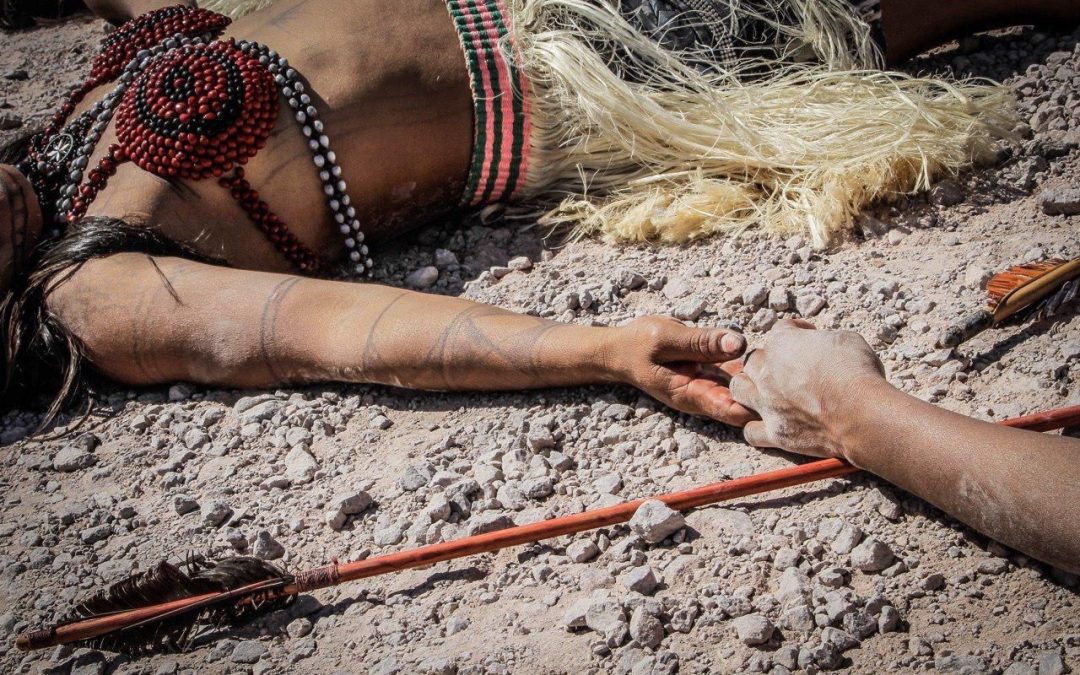
BRASÍLIA, August 16, 2021 – The Articulation of Indigenous Peoples of Brazil (Apib) launches today (16) its International Complaints Dossier. The document brings together a series of data and information that demonstrate that Bolsonaro selected indigenous peoples as enemies of his government, and turned his hate speeches into state policy. The document also relates Bolsonaro’s actions and omissions with the increase in cases of violence and conflict in indigenous territories.
The initiative is part of Apib’s strategy to expand international knowledge about the emergency situation experienced by Indigenous Peoples in Brazil. Last week, the Articulation filed a complaint in the International Criminal Court in The Hague, calling for the investigation of Bolsonaro for crimes of genocide and ecocide. Now, the dossier presents a perspective of broad analysis, to expose to the world the anti-indigenist agenda that is advancing in Brazil.
As an excerpt from the Dossier, the agenda of violence against peoples is “orchestrated with the direct participation of the Executive Branch, fastly advances in the National Congress and rounds up decisions that pass through the hands of the ministers of the Brazilian Supreme Court, the Federal Supreme Court (STF), and also by other instances of the Judiciary.”
The document will be released at an online event, which starts at 12:00 pm (Brasilia time), with the participation of Sônia Guajajara and Dinamam Tuxá, from APIB’s executive coordination, Eloy Terena, coordinator of the institution’s legal department. Ana Patté, from the Xokleng people of Santa Catarina, also participates in the event to report the trajectory of conflicts in the Ibirama-Laklãnõ Indigenous Land, whose case will be analyzed by the Supreme Court on August 25 and has a “general repercussion” character, which makes this an impactful decision for the future of Indigenous Lands demarcation in Brazil.
WATCH THE LAUNCH ACTIVITY:
APIB Youtube Channel
APIB Facebook Page
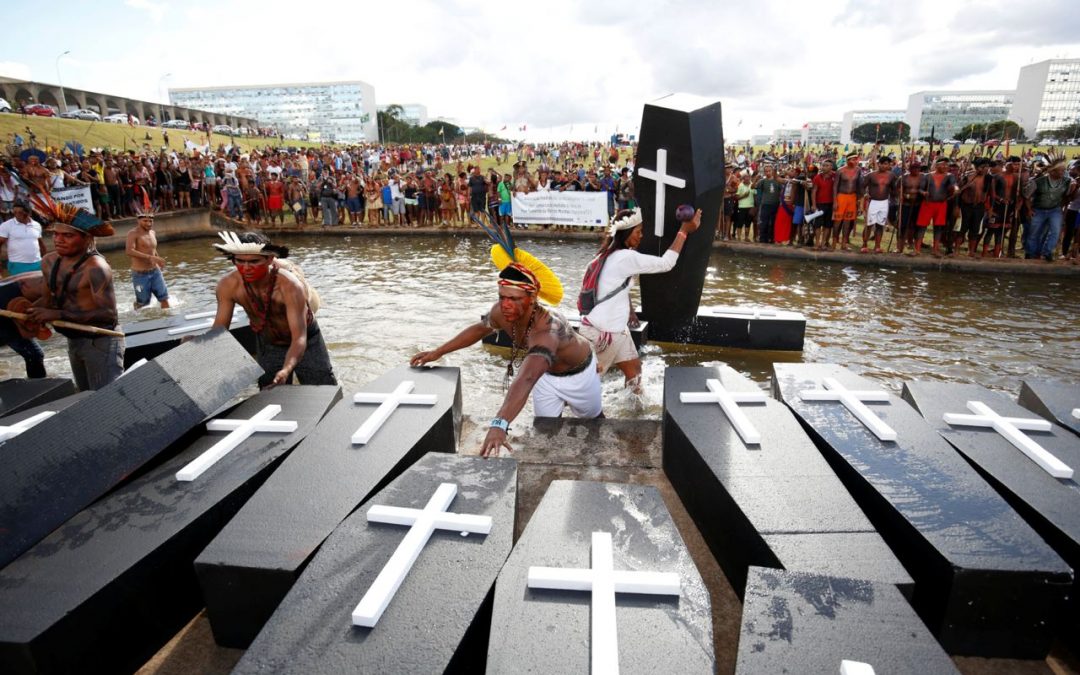
09/Aug/2021
Photo: Ueslei Marcelino/Reuters
For the first time in history, Indigenous Peoples address directly the court in The Hague, with their own lawyers, to stand up for their rights.
Brasília, August 9, 2021 – The Articulation of Indigenous Peoples from Brazil (Apib) filed, this Monday (9), a statement before the International Criminal Court (ICC) to denounce Bolsonaro’s government on Genocide. On the date that marks the International Day of Indigenous Peoples, the organization requests the Court’s prosecutor to examine the crimes perpetrated against indigenous peoples by President Jair Bolsonaro since the beginning of his term, in January 2019, with special attention over the period of Covid-19 pandemic.
Based on ICC’s precedents, Apib demands an investigation for crimes against humanity (article 7. b, h. k Rome Statute – extermination, persecution and other inhuman acts) and genocide (art. 6. B and c of the Statute of Rome – causing severe physical and mental damage and deliberately inflicting conditions aimed at the destruction of indigenous peoples). For the first time in history, indigenous peoples stand before the ICC, with the support of indigenous lawyers, to defend themselves against these crimes.
The statement is composed by several complaints from indigenous leaders and organizations, official documents, academic research and technical notes, arriving to prove the planning and execution of an explicit, systematic and intentional anti-indigenous policy headed by Bolsonaro.
“We believe there are acts in progress in Brazil that constitute crimes against humanity, genocide and ecocide. Given the inability of the justice system in Brazil to investigate, prosecute and judge these conducts, we denounce them to the international community, throughout the International Criminal Court”, highlights Eloy Terena, legal coordinator of Apib.
According to an excerpt of the communication, “the dismantling of public structures for social and environmental protection, and also of those addressed to protecting Indigenous Peoples resulted in the escalation of invasions in Indigenous Lands, deforestation and fires in Brazilian biomes, and also increased illegal mining in the territories.”
For APIB, attacks against Indigenous Peoples and their territories were encouraged by Bolsonaro several occasions along his term. The facts that evidence the Federal Government’s anti-indigenous project range from the explicit refusal to demarcate new lands, including bills, decrees and ordinances that try to legalize invasive activities, stimulating conflicts.
“Apib will continue to stand up for the right of Indigenous Peoples to exist in their diversity. We are native peoples and we will not surrender to extermination”, emphasizes Eloy, one of the eight indigenous lawyers who signed the statement.
The complaint statement sent to the ICC, was supported by the Collective of Advocacy on Human Rights – CADHu and the Comissão Arns, which filed, in 2019, another statement to the ICC Prosecutor’s Office against Bolsonaro, currently under review in the court.
Indigenous August
“We have been fighting every day for hundreds of years to ensure our existence and today our fight for rights is global. The solutions for this sick world come from indigenous peoples and we will never remain silent in the face of the violence we are suffering. We sent this communiqué to the International Criminal Court because we cannot fail to denounce Bolsonaro’s anti-indigenous policy. He needs to pay for all the violence and destruction he is leading”, says Apib’s executive coordinator, Sonia Guajajara.
According to the coordinator, the month of August will be marked by mobilizations from indigenous peoples fighting for their rights. She highlights the ‘Struggle for Life’ camp, scheduled to take place between August 22nd and 28th, in Brasília. “We will occupy the federal capital once again to prevent setbacks against the rights of our peoples”, reinforces Sonia.
“We alert the International Criminal Court to the authoritarian escalation underway in
Brazil. The democratic environment is under risk”, says Dinamam Tuxá, executive coordinator for Apib, recalling the bills that are under Brazilian National Congress analyse and represent serious threats for indigenous rights, and also the judgment by the Supreme Court (STF) on the Temporal Mark, that can define the future of indigenous peoples.
“We are calling to action in Brasília, in the midst of a pandemic, because today the Federal Government’s anti-indigenous agenda represents a more lethal threat than the Covid-19 virus. The lives of Indigenous Peoples are linked to their territories and our lives are under threat. We will be mobilized in the communities, in the cities, in Brasília and in the court in The Hague to hold Bolsonaro accountable and fight for our rights”, highlights Tuxá.
“Indigenous Peoples will remain vigilant, as they have historically done. It is the duty of the Brazilian federal government to respect them, as a foundational expression of a Constitutional State of Law”, points out an excerpt of the document sent to the ICC.
HIGHLIGHTS
- On November 19, 2019, the Collective of Advocacy on Human Rights – CADHu and the Arns Commission presented a statement for inciting genocide and crimes against humanity perpetrated by Jair Bolsonaro against indigenous peoples.
- During the second half of 2020, Apib and the Clinic of Strategic Litigation in Human Rights of Fundação Getúlio Vargas, São Paulo, held workshops with indigenous lawyers, leaders, students, experts and Apib partners on the jurisdiction of the ICC.
- Soon after, the APIB launched a call for leaders and grassroots organizations to send complaints of rights violations, especially in the context of the pandemic. Such reports were largely incorporated in the statement to the ICC.
- The meetings addressed issues such as international criminal jurisdiction and its criticisms, crimes under the Rome Statute, the process before the ICC, the role of victims in the construction of cases, admissibility and the agenda of the Prosecutor’s Office.
- On December 2020, the ICC Attorney’s Office informed the Collective of Advocacy on Human Rights – CADHu and the Arns Commission that the communication sent in November 2019 was under formal evaluation.
- During the first half of 2021, based on the workshops held in 2020, APIB began collecting testimonies and relevant data on the impact of Jair Bolsonaro’s actions on different indigenous communities in the country.
- The reports issued directly by the affected indigenous peoples, official documents, academic research and technical notes integrate the evidence to support the statement presented by Apib today, August 9th, before the ICC, in association with the Collective of Advocacy on Human Rights – CADHu and Comissão Arns.
- The document has 86 pages describing concrete facts, which are organized into:
- A chronology of Bolsonaro’s attacks against indigenous peoples, what includes the destruction of public infrastructure to guarantee indigenous and socio-environmental rights, through administrative acts, normatives, speeches, meetings and projects, directly or indirectly carried out by President Jair, were compiled Bolsonaro;
- The description of the main consequences of the destruction of public infrastructure to guarantee indigenous and socio-environmental rights: the invasion and dispossession of indigenous lands; the deforestation; mining into the territories and the impact of the Covid-19 pandemic on indigenous peoples, bringing research, reports and data.
- The report on the impact of invasions, deforestation, mining into Indigenous Lands and the spread of the Covid-19 pandemic over isolated indigenous peoples or those with recent contact and over the Munduruku peoples, the indigenous peoples who live in the Yanomami TI, the Guarani-Mbya, Kaingang, the Guarani-Kaiowá, the Tikuna, Kokama, the Guajajara and the Terena.
- APIB brings to the international criminal jurisdiction the voice and interpretation of indigenous peoples on the crimes of which they have been victims, a fact that is historical by itself.
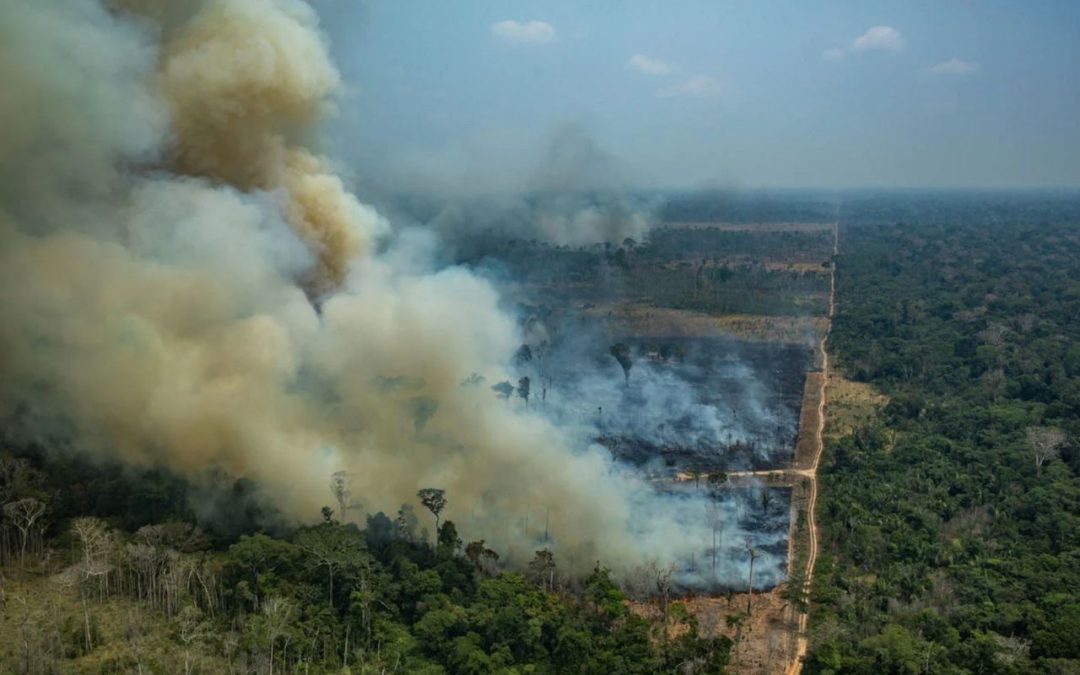
04/Aug/2021
Early last night (August 3rd), Brazilian congressmen showed the interests they stand for, approving the Bill 2633 known as “PL da Grilagem” (Land Grabbing Bill) with a large majority (296 x 136 votes). The approved text was not previously presented to civil society, a typical behavior of anti-democratic regimes.
They argue that the bill is a necessary instrument to register land for small farmers. However, Brazil already has a land reform framework and land allocation policies that only need to be effectively implemented. The approved text, which is now following for the appreciation by the Federal Senate, legalizes the illegal: it regularizes criminally appropriated lands, in processes that often include violent acts against indigenous peoples and traditional communities.
Grilagem means land grabbing. For those unfamiliar with the expression, it is the name given to the invasion, occupation and illegal trade of public areas. This crime has now been converted into law. The practice is directly linked to deforestation, to the destruction of biodiversity and threatens indigenous peoples who traditionally occupy territories, now usurped by land grabbers.
According to the Amazon Environmental Research Institute (Ipam), around 30% of deforestation and burning in the Amazon occurred on public lands without designation, which were possibly targeted by land grabbers. Still, studies by Imazon estimate that if PL 2633 effectively becomes a law, it will cause an additional deforestation of up to 16 thousand square kilometers, an area almost 3 times the size of the Brazilian Federal District.
Theft of public land is nothing new in Brazil. What is unprecedented is that the State, which should look after the common good, shamelessly decides to reward thieves and usurpers with the regularization of stolen lands. This ethical and legal aberration puts our forests, our biodiversity and the peoples who depend on them – especially indigenous peoples, traditional communities and family farmers – on their knees in the face of the typical violence processes of invasion and illegal appropriation of land.
While the whole world discusses ways to keep forests standing as a solution to climate change, the Brazilian government continues to “passar a boiada” (pass the cattle), opening the way for an increase in deforestation rates, which goes against its own commitments to zero illegal deforestation.
Indigenous peoples express their consternation over this absurd and irresponsible sign emanating from the self-proclaimed “People’s House”. By approving this project, the Chamber demonstrates that it is gradually and unavoidably becoming the home of ruralists, agribusiness, deforesters, land grabbers – all of them, except for the people.
The Brazilian indigenous movement continues in the struggle for its constitutional rights.

19/Jul/2021
For the last 521 years this land has been characterized by violations, racism and genocide. Centuries of attempts to subjugating peoples, cultures and territories. Today there are not only guns tearing at bodies, but also pens signing extermination laws. When not only criminals are directly attacking, governments skip away from their duty of protecting our peoples. And as much as the fights overlap, we won’t allow it!
We are the first ones in this land, before even Brazil becomes Brazil.
Against bills that violate the Constitution itself, we will continue to be mobilized in the federal capital, sounding our maracas and singing our songs, between the 22nd and 28th of August.
We make this call, even during the pandemic, because we cannot remain silent facing genocide and echocide, because the Earth screams even when we are quiet. May the country listen to its native peoples. Our lives are linked to the earth, as we live in communion with it. We are the guardians of the forests and all forms of life that there inhabit. Facing a Congress that advances in an anti-indigenous agenda and against the Temporal Framework, scheduled to be voted by the Supreme Court on August 25th, we will resist!
We will lead vaccinated to Brasília, with all the hygiene precautions against Covid-19, to play our maracas to guarantee the rights of indigenous peoples.
Come together, relatives, to STRUGGLE FOR LIFE Camp.
Support
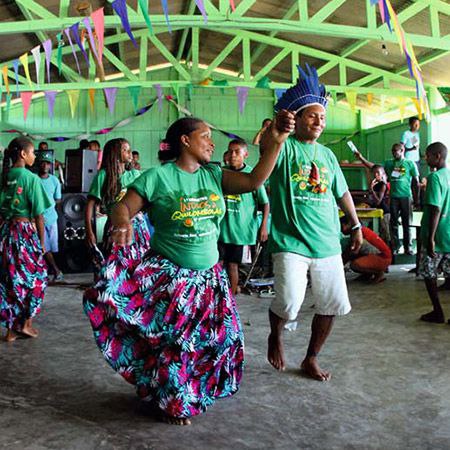
16/Jul/2021
The framework for the protection of traditional peoples has been disregarded by the country. Late submission of government responses to inquiries from the international organization and organizations prevents the manifestation of the Committee of Experts
Brazil has systematically violated Convention 169 of the International Labor Organization (ILO), as social organizations denounced in a recent report. The report presented before ILO by the National Coordination of Rural Black Quilombola Communities (Conaq), and by the Coordination of Indigenous Peoples of Brazil (Apib), with the support from the Land of Rights and Central Única dos Trabalhadores (CUT), list a set of actions perpetrated by the Brazilian State that violate the main international legal instrument on the protection of the rights of indigenous peoples, quilombolas and other traditional peoples and communities.
The report emphasizes that the State’s failure to protect indigenous peoples, quilombolas and other traditional peoples in the face of Covid-19 particularly violates the rights of these traditional peoples, exposing them to a context of even worse vulnerability under the pandemic and its effects.
Similar complaints are part of actions filed by Apib and Conaq, in association with other institutions, before the Brazilian Supreme Court (STF). In judgments of both actions, the Ministers recognized the government’s omission and determined that the Brazilian State had to develop and implement urgent plans to fight the pandemic addressed to indigenous peoples and the quilombola population, as well as the inclusion of these groups as priorities for vaccination in the National Immunization Program. Several months after the decisions by the STF, Conaq, Apib and other organizations have repeatedly denounced the weaknesses in the implementation of these measures.
Fundamental in guaranteeing the rights of traditional peoples, quilombolas and indigenous peoples in Brazil, Convention 169 has guided parameters for several Brazilian norms and public policies since the ratification of the norm by the country, in 2002. Even after more than 15 years of validity in national territory, before the pandemic, Brazil was already violating the Convention, point out the organizations. The urgency of the denunciation at this moment, however, underline the organizations, is that the violations have been intensified in the last three years and the rights already assured have suffered significant retractions, especially during the Bolsonaro government.
As the legal advisor of Terra Direitos, Maira Moreira, highlights, “one of the most fundamental instruments for asserting the rights of indigenous peoples, quilombolas and other traditional peoples and communities is being successively and repeatedly violated by the Brazilian State, producing a situation of genocide of these peoples and communities, a slow and gradual genocide, in which all their material, cultural and social conditions are undermined, putting the existence of these peoples and communities under risk”. Since “[the Convention] was already being violated, but in the context of the pandemic, this violation was aggravated”, reiterates Apib’s lawyer, Eloy Terena.
No centimeter
The period of the recorded violations against the 169 Convention by the Brazilian State coincides with Jair Bolsonaro’s term as president. . Openly opposed to the rights of traditional peoples and communities, the president has already stated that in his government “there will not be a centimeter demarcated for an indigenous or for a quilombola land”.
It is not only the presidential declarations that go shoulder to shoulder with the denial and violation of the rights of these populations, but also the dismantling of the indigenous and quilombola policies established by the national government.
In the list of attacks against traditional territories, they are still the incursions by land grabbers, miners and ruralists. In 2020, among the 81,225 families who were victims of invasions in their territories, 58,327 were indigenous, according to a survey released by the Pastoral Land Commission (CPT). “The territories were completely at the mercy of these invaders. Their presence alone is a violation of the exclusive use of indigenous peoples over their territories, but in this pandemic, illegal incursions become a vector for the spread of the disease”, emphasizes Eloy.
The document sent by the organizations to the ILO also highlights the violation of the right to self-determination by the people, attacks on policies for these people, such as the extinction of the Secretariat for Continuing Education, Literacy, Diversity and Inclusion (Secadi), among other violations.
Legislative threats
The most expressive caucus in Congress, congressmen linked to the Parliamentary Front for Agriculture – a lobby supported by agribusiness associations and companies – account for 32 of the 81 seats in the Senate. In the Chamber, the 225 deputies affiliated to the front will represent 44% of the total votes (513) of the entire legislative house.
With this majority representation and no correspondence with the composition of the Brazilian population, the ruralists impose an agenda that enables the market to enter the territories. A singular example is PL 490/2007. The bill threatens the demarcation of indigenous lands, opens the doors of these territories to agricultural projects, hydroelectric plants, mining, roads and mining. In a scenario of intense police violence against indigenous people around the Chamber of Deputies and lack of dialogue with those who will be impacted by the measure, the PL was approved by the Chamber’s Constitution and Justice Commission (CCJ) on June 23rd.
The Draft Legislative Decree (PDL) No. 177/2021, on the other hand, seeks to directly violate Convention 169. Authored by federal deputy and member of the FPA, Alceu Moreira (MDB-RS), the bill filed in April this year aims to authorize the president to denounce ILO Convention 169, that is, if approved, the Legislative Decree would allow Bolsonaro to withdraw Brazil from the Convention, a procedure called “denouncement”, representing a huge setback to conquered rights. The legislative matter has already been distributed to the House commissions.
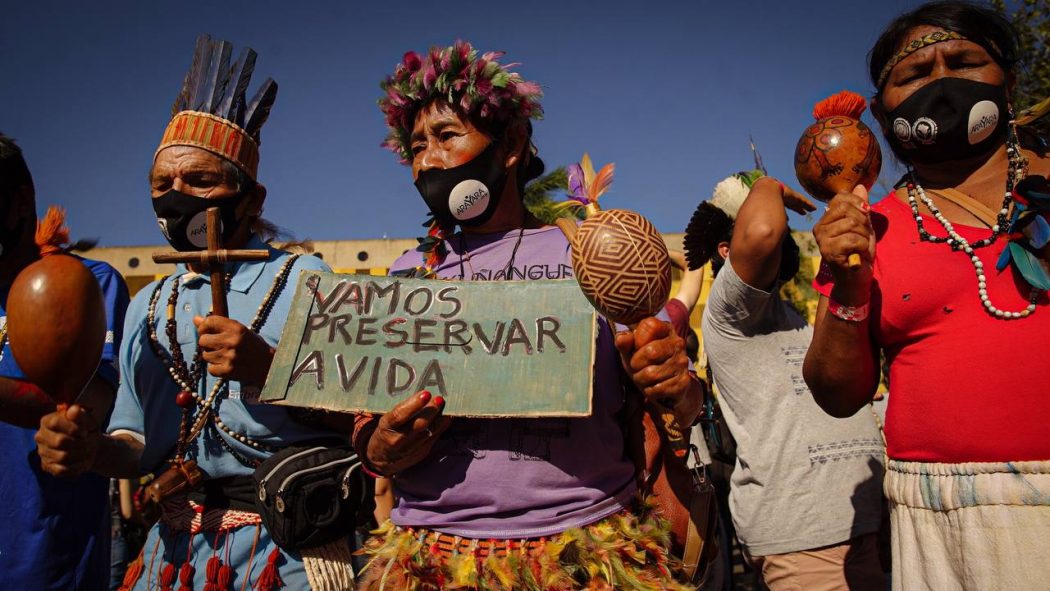
16/Jul/2021
The appeal was made in the same week Brazil was mentioned due risk of atrocity against indigenous peoples; Brazilian government tried to present a counter-argument, denied by the UN organism
By Adi Spezia and Tiago Miotto, Cimi’s Communication Department
In a joint statement during the 14th Session of the UN Mechanism of Experts on the Rights of Indigenous Peoples (EMRIP), the Articulation of Indigenous People from Brazil (Apib) and the Indigenous Missionary Council (Cimi) denounced this Wednesday (14) measures adopted by the Brazilian government and by the National Congress that attack the rights of indigenous peoples in Brazil, such as 490 Bill, which in practice makes unfeasible new demarcations of indigenous lands, and the thesis of the temporal framework.
The meeting, which aims to listen to indigenous peoples and their organizations, was held virtually in this edition, due to the pandemic. It had as its central issue the self-determination of peoples and the rights of indigenous children. The EMRIP is a unique mechanism whose members are exclusively indigenous peoples. “It is a very important mechanism for the world’s indigenous community, led by indigenous peoples,” explains Paulo Lugon Arantes, Cimi’s international advisor.
Arantes, speaking on behalf of both organizations, highlighted the seriousness of the temporal frame and of the more than 30 other bills pending in the Brazilian Congress that violate the right of free determination from native peoples. The 490 Bill, recently approved by the Commission for the Constitution and Justice (CCJ) from the Chamber of Deputies, was highlighted as one of the main threats to indigenous rights today.
“The time frame is disastrous because it will leave an incalculable mark of exclusion and marginalization over peoples who have not yet had their territories demarcated or who have been expelled from their traditional territories”, said Paulo.
The organizations also denounced the Brazilian government’s anti-indigenous agenda, which led the UN Special Advisor for the Prevention of Genocide, Wairimu Nderitu, to express an unprecedented concern with the situation of indigenous peoples in Brazil.
“President Bolsonaro has a clearly anti-indigenous agenda, which led the UN advisor for the prevention of genocide to include Brazil in the World Atrocity Map”, said the advisor, on behalf of Apib and Cimi.
Reply denied
After the joint statement, the representative from Brazilian government asked for “the right to reply”, due to the fact that the country was mentioned. The response was denied by the EMRIP secretariat, who replied that Governments have no right to respond before the mechanism. “The members of the EMRIP are the only members of the mechanism and all others are observers,” explained the secretary.
26/May/2021
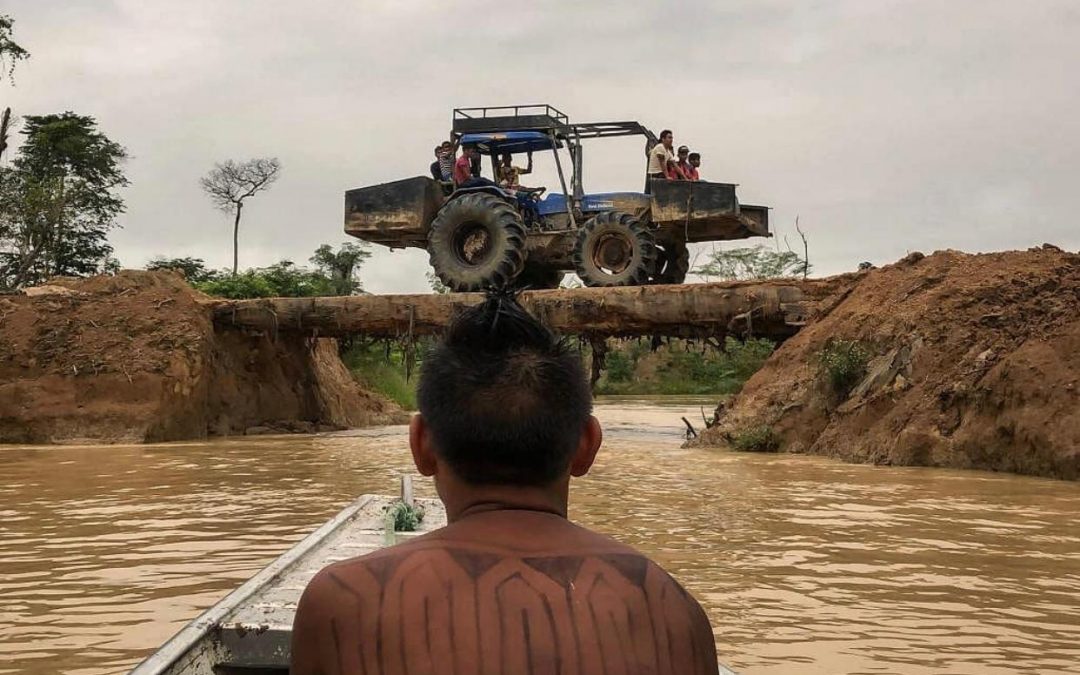
The Association of Brazil’s Indigenous Peoples (@apiboficial) and the Coordination of Indigenous Organizations in the Brazilian Amazon (@coiabamazonia) denounce a serious offensive underway this Wednesday (26th) against Indigenous leaders of the Munduruku Indigenous Territory. Illegal gold miners operating in the region are attacking with gunshots and burning houses in retaliation for a Federal Police operation in the region.
The presence of the National Forces in the region since Monday (24) does not inhibit the miners, who continue to commit acts of violence to threaten and intimidate leaders who are against illegal mining in indigenous territories Armed men, who displayed gallons of gas, invaded an indigenous village of the Munduruku people and set fire on Maria Leusa Munduruku house, coordinator of the Wakoborum Munduruku Women’s Association – the organization that has been attacked by miners on March.
There are suspicions that the attack was organized after the leak, on Tuesday (25), of a document by the Federal Police Crime Repression Service against Indigenous Communities for land grabbers who act in seven national forests and Indigenous territories in the Pará state.
Once again, Indigenous lives are threatened by mining and illegal miners in the Amazon. The terror routine is also repeated at Yanomami Territory, in Roraima, under intense attack since the beginning of May. Brazilian congresswoman Joenia Wapichana denounced the situation at the Munduruku Territory during a session of the Federal Chamber’s Human Rights and Minorities Commission.